Story
A beautiful cookie wrapped in plastic. A single strawberry, cushioned in five layers of wrapping. A blinking vending machine selling colorful PET bottles on every street corner. As Japan grapples with its addiction to plastic, PLASTIC LOVE! delves deep into the art of packaging to uncover how this island nation—once a global leader in its almost spiritual connection to materials—has come to embody the very paradox at the heart of our global waste crisis.
Through the interwoven stories of Japan’s waste workers and packaging artisans, we journey into a world where trash and care for materials coexist. From mascot-clad garbage trucks to the roaring furnaces of Tokyo’s incinerators and the hands of traditional artisans, PLASTIC LOVE! paints a portrait of a nation caught between the wisdom of its past and its culture of excess. By zooming into the microscopic world of Japan’s materials—straw, leaves, lacquer, and plastic — we ask what we choose to discard, what we choose to cherish, and what it will take to break the global cycle of wastefulness.
PLASTIC LOVE!
Unwrapping Japan’s Toxic Affair With Plastic
Documentary FilmLength: 84min
Original Language: Japanese
Subtitles: Japanese, English
Cast
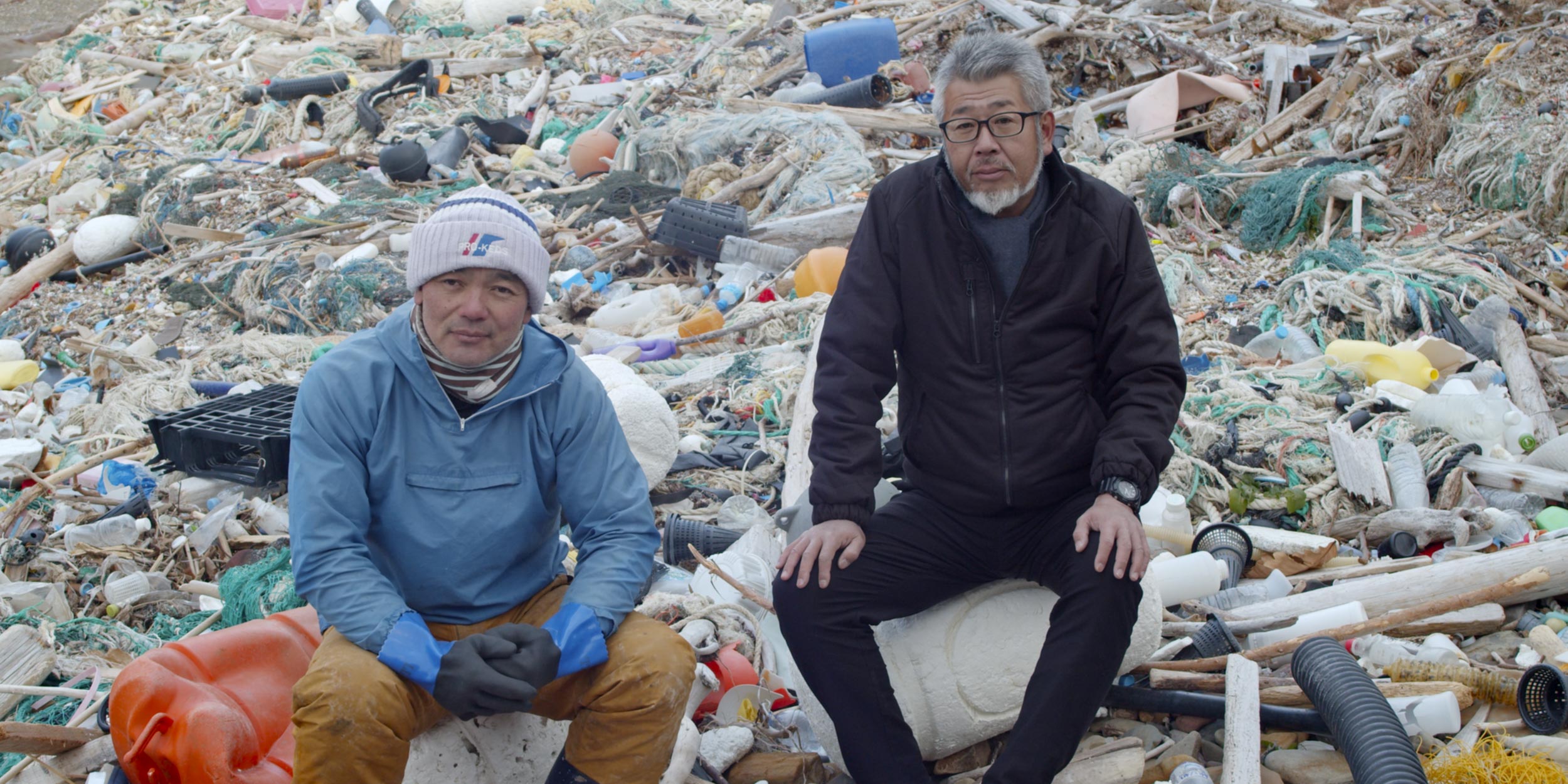
MAMORU KAMATA — FishermanMICHINAO SUENAGA— Director of Tsushima CAPPA

YUJI SAKAI —
Straw Artisan, Nagano
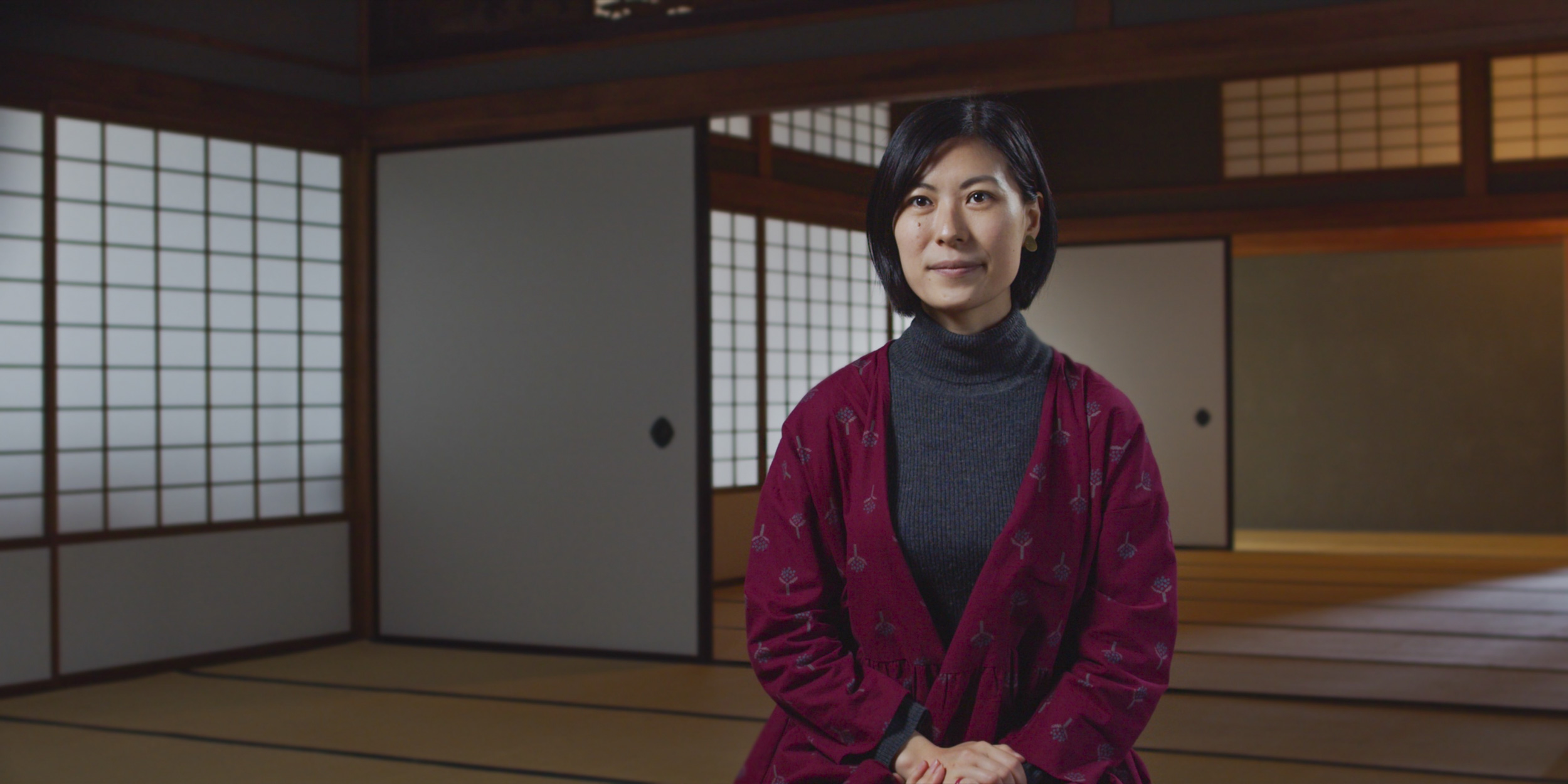
AKIRA SAKANO —
President of Zero Waste Japan
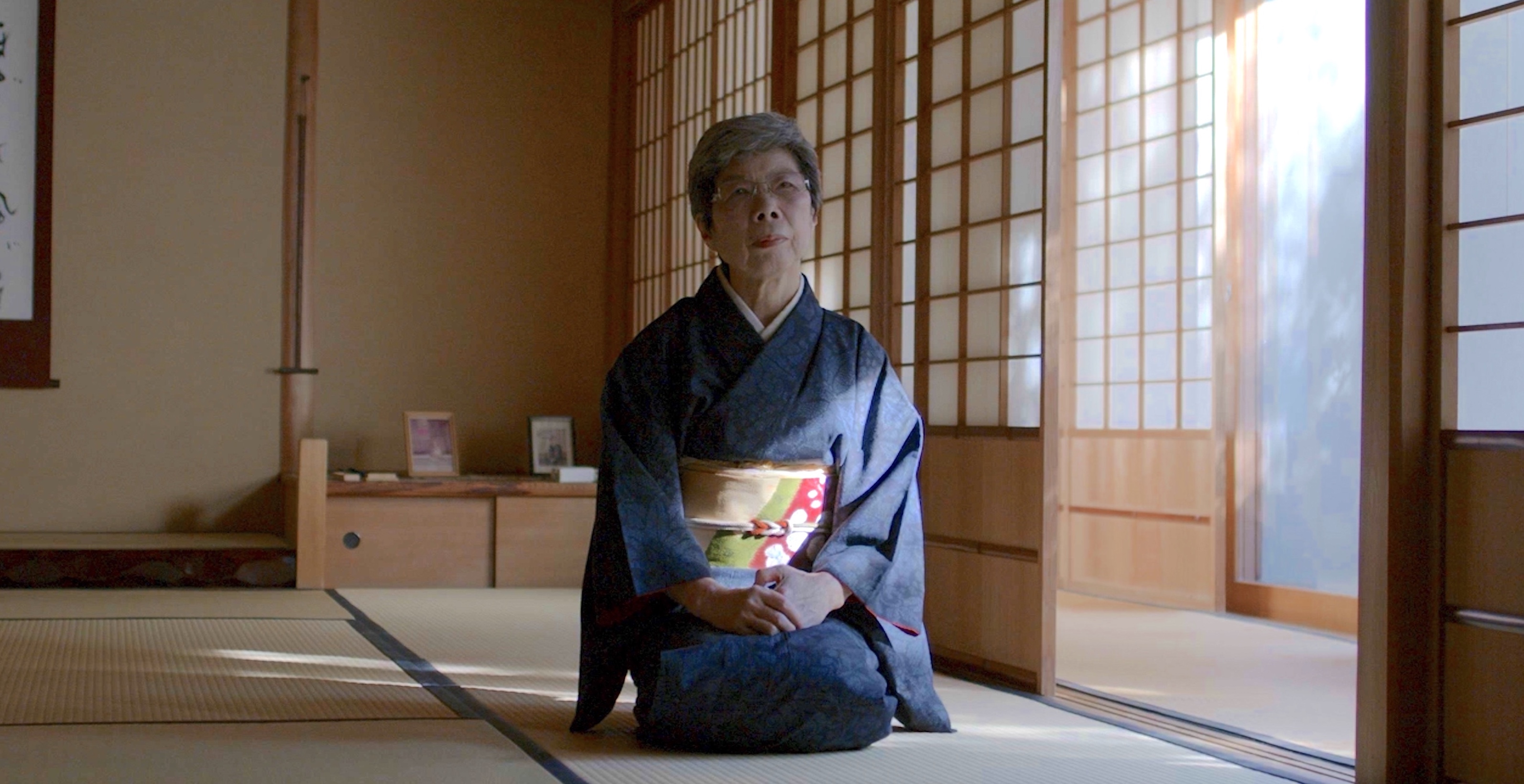
KOMICHI IKEDA —Exec. Vice Director, Environmental Research Institute (ERI)
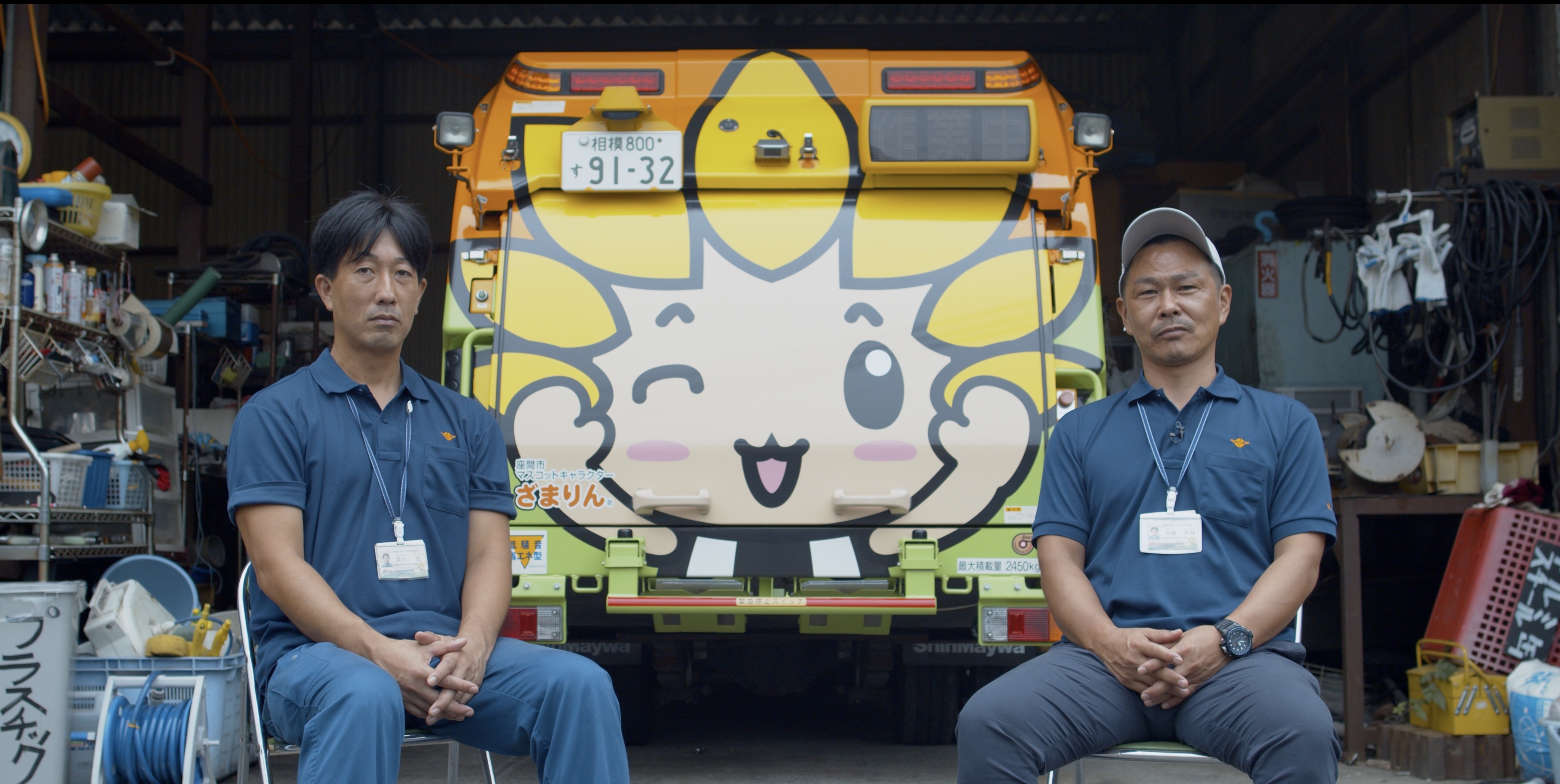
YUZURU OIKAWA — Zama City, Garbage Truck DriverTAISUKE SATO — Zama City, Garbage Truck Driver
TOMOMI YAMAGUCHI —Resident, Kamikatsu Town
TOHRU TSUJI—Lacquer Artist, Ibaraki

ETSUKO YAMADA —
Furoshiki Artist
MASARU OKAMOTO —Waste Worker, Minato Resource Recycling Center
...and many more
Filmmakers’ Statement
I have this image on my phone that will forever be burned into my memory. It is a photo taken of a small piece of silver jewelry, yet in this picture you cannot see the jewelry itself. Instead, it shows the 9 layers of packaging waste that resulted in my tiny purchase: 6 layers of plastic, two layers of paper and one giant cardboard box, all carefully wrapped around a needle-sized earring, shipped to my home.
Japan is unique in the sense that the amount of single-use plastic here is enormous; yet few people seem to question why single bananas and single cookies are individually wrapped in plastic, or why Japan still burns the majority of its waste, instead of recycling it. We have been talking about plastic waste for years now, yet why have we still not moved any closer to a global solution?
I think the core of the problem is best described as a bathtub overflowing with water. We are so desperately preoccupied with scooping up the water with small buckets that we have forgotten to turn our attention to the only thing that will actually solve this issue: switching off the tap at its source.
Making this film, I realized that this whole time it wasn’t plastic that was ever the issue. The issue is, and has always been, our attachment to a life full of things. A world in which we tell each other that it is okay to use an item once for just a few seconds and then simply throw it away. A world in which the more we consume, the happier we seem to be.
Japan is unique in the sense that the amount of single-use plastic here is enormous; yet few people seem to question why single bananas and single cookies are individually wrapped in plastic, or why Japan still burns the majority of its waste, instead of recycling it. We have been talking about plastic waste for years now, yet why have we still not moved any closer to a global solution?
I think the core of the problem is best described as a bathtub overflowing with water. We are so desperately preoccupied with scooping up the water with small buckets that we have forgotten to turn our attention to the only thing that will actually solve this issue: switching off the tap at its source.
Making this film, I realized that this whole time it wasn’t plastic that was ever the issue. The issue is, and has always been, our attachment to a life full of things. A world in which we tell each other that it is okay to use an item once for just a few seconds and then simply throw it away. A world in which the more we consume, the happier we seem to be.
One thing I want us all to remember is this: On our Earth, it isn’t possible to “throw away” garbage, because there is no such place as “away.” I hope that through PLASTIC LOVE! we can show you the many places in Japan that have become our so-called “away” — our excuse for continuing our system of mass-scale consumption.
I want to draw attention to the people behind this big story. In the three years of pulling together this film, we have held the gaze of waste workers unwilling to believe that their voices matter. We have noticed the soft slippers worn by incinerator operators, and the tender care trash collectors wash their trucks down with at the end of each day. We have met Japan’s community of social changemakers — often young and female — who have a bold vision for Japan that, I know, can lead us all out of this crisis.
Japan is my chosen home, the place that I love more than anywhere else in the world. It is painful to admit the failings of the place you care about the most, and also how I, myself, am contributing to this toxic system. But PLASTIC LOVE! is more than just this journey of discovery. It is also my love story with Japan itself.
As with any great love, looking at the issues can be painful. This film is a way to express some of this pain, but also a way to share my hope and show you that Japan already has all the tools it needs to fix this issue: the resourcefulness, creativity and endless dedication of its own people. A Japanese love story for the world.
— Sybilla
Director, PLASTIC LOVE!
I want to draw attention to the people behind this big story. In the three years of pulling together this film, we have held the gaze of waste workers unwilling to believe that their voices matter. We have noticed the soft slippers worn by incinerator operators, and the tender care trash collectors wash their trucks down with at the end of each day. We have met Japan’s community of social changemakers — often young and female — who have a bold vision for Japan that, I know, can lead us all out of this crisis.
Japan is my chosen home, the place that I love more than anywhere else in the world. It is painful to admit the failings of the place you care about the most, and also how I, myself, am contributing to this toxic system. But PLASTIC LOVE! is more than just this journey of discovery. It is also my love story with Japan itself.
As with any great love, looking at the issues can be painful. This film is a way to express some of this pain, but also a way to share my hope and show you that Japan already has all the tools it needs to fix this issue: the resourcefulness, creativity and endless dedication of its own people. A Japanese love story for the world.
— Sybilla
Director, PLASTIC LOVE!
